Lesser celandine
Ficaria verna
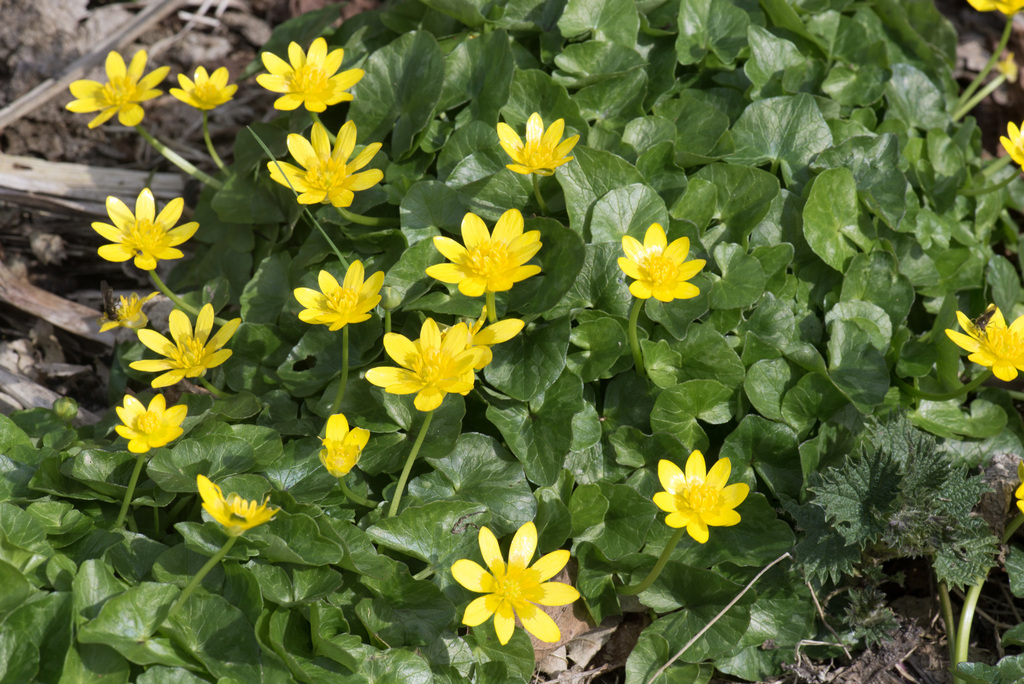
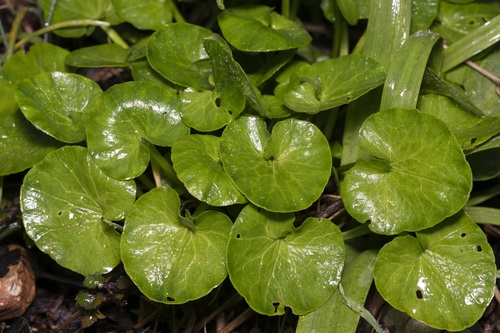
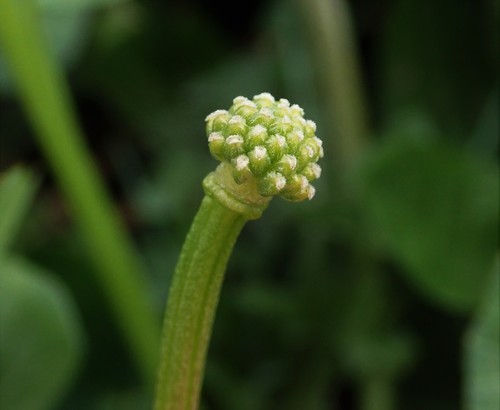
Ficaria verna , (formerly Ranunculus ficaria L.) commonly known as lesser celandine or pilewort , is a low-growing, hairless perennial flowering plant in the buttercup family Ranunculaceae native to Europe and west Asia. It has fleshy dark green, heart-shaped leaves and distinctive flowers with bright yellow, glossy petals. It is now introduced in North America, where it is known by the common name fig buttercup and considered an invasive species. The plant is poisonous if ingested raw and...
- Family
- Ranunculaceae
- Order
- Ranunculales
- Status
- Introduced in New York
- Records
- 5,557
- Peak
- Mar · Apr · May
Seasonality
When it shows up
November: quiet
Where to look
Places with recent records
This species is recorded across New York City, but not consistently inside the parks we track. Try the nearest green space with similar habitat.
Easy to confuse with
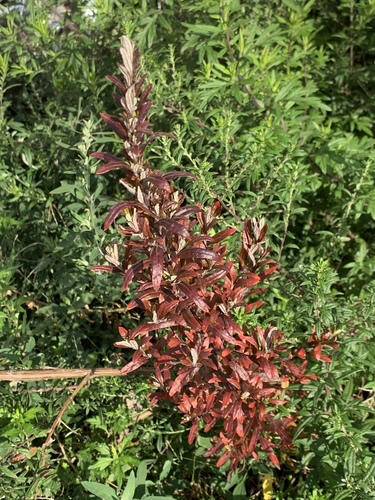
Similar species in New York City
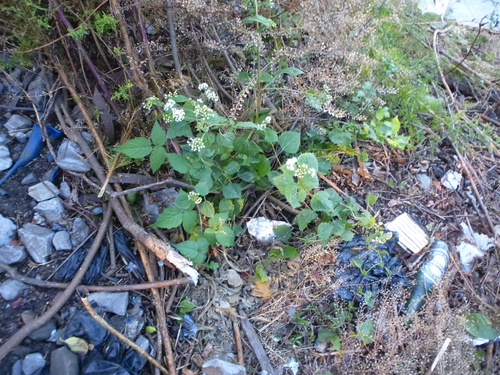
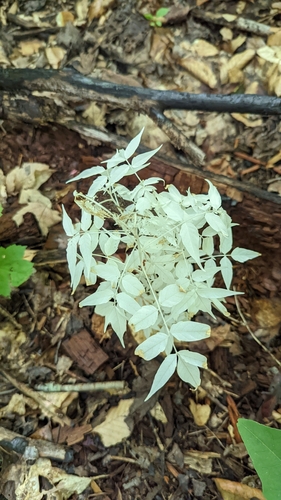
Questions
Lesser celandine in New York City
- Where can I see Lesser celandine in New York City?
- Lesser celandine is recorded across New York City, but not consistently inside the parks tracked here. Try a green space with similar habitat.
- When is the best time to see Lesser celandine in New York City?
- Records peak in March, April, May. In November, activity is rated “quiet”.
Sources
Occurrence counts and seasonality are derived from GBIF records (2018–2026). Description adapted from Wikipedia via iNaturalist, licensed CC BY-SA. Photo credits appear under each image. Native or introduced status comes from iNaturalist regional checklists. Species pages are for observation only — never disturb wildlife.