Tree-of-heaven
Ailanthus altissima
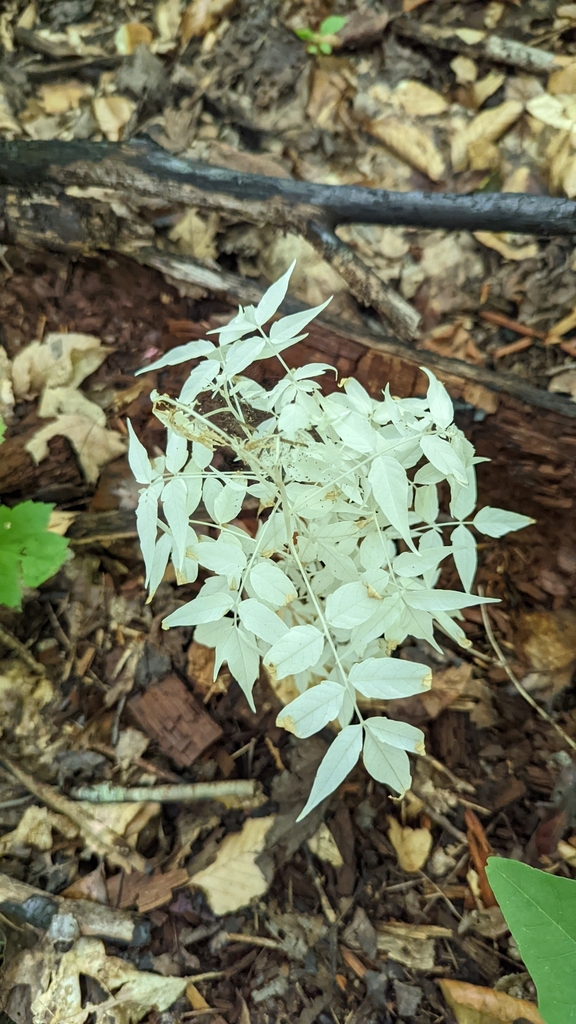
Large compound leaves with 10–41 leaflets, smooth pale bark and a rank smell when crushed. Seeds are twisted, papery wings.
- Family
- Simaroubaceae
- Order
- Sapindales
- Size
- 15–25 m tall · leaves 30–90 cm long
- Status
- Introduced in United States
- Records
- 6,066
- Peak
- Jul · Jun · Sep


How to recognise
What you are looking at
Large compound leaves with 10–41 leaflets, smooth pale bark and a rank smell when crushed. Seeds are twisted, papery wings.
Typical size: 15–25 m tall · leaves 30–90 cm long
Habitat & behaviour
Where it lives
Vacant lots, street tree pits, park edges and broken pavement.
How it behaves
Fast-growing, suckers aggressively and tolerates poor soil; one of the most widespread invasive trees in cities.
Diet & timing
What it eats
Not applicable — it is a tree, and it hosts few native insects.
When to look
June to August for flowers; autumn for the red-brown seed clusters.
Field tip
Crush a leaflet: the burnt-peanut smell confirms it.
Seasonality
When it shows up
November: quiet
Where to look
Places with recent records
This species is recorded across New York City, but not consistently inside the parks we track. Try the nearest green space with similar habitat.
Easy to confuse with
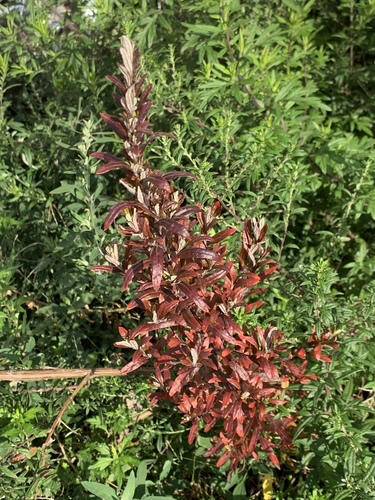
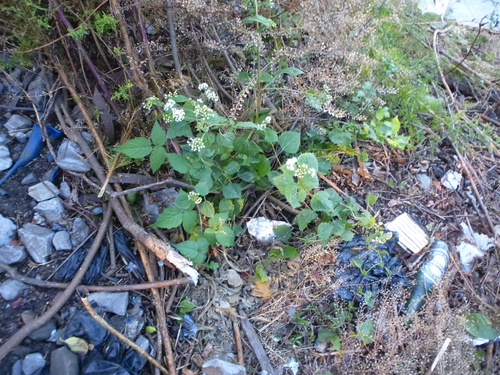
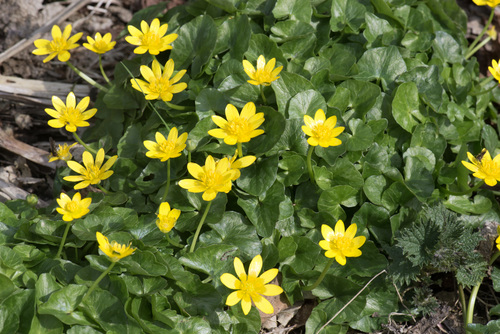
Similar species in New York City
Also recorded in
The same species elsewhere
Questions
Tree-of-heaven in New York City
- Where can I see Tree-of-heaven in New York City?
- Tree-of-heaven is recorded across New York City, but not consistently inside the parks tracked here. Try a green space with similar habitat.
- When is the best time to see Tree-of-heaven in New York City?
- Records peak in July, June, September. In November, activity is rated “quiet”.
Sources
Occurrence counts and seasonality are derived from GBIF records (2018–2026). Description adapted from Wikipedia via iNaturalist, licensed CC BY-SA. Photo credits appear under each image. Native or introduced status comes from iNaturalist regional checklists. Species pages are for observation only — never disturb wildlife.