Urban field guides · 6 cities
Know what you’re walking past.
Every city has a wild side. These guides turn millions of public observations into something simple: what is in season this month, where to find it, and how to recognise it.
- Species
- 214
- Records reviewed
- 9.6M
- Green spaces
- 36
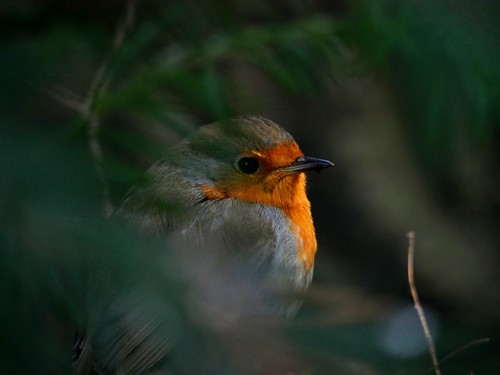
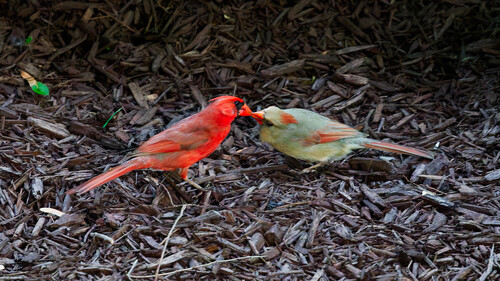
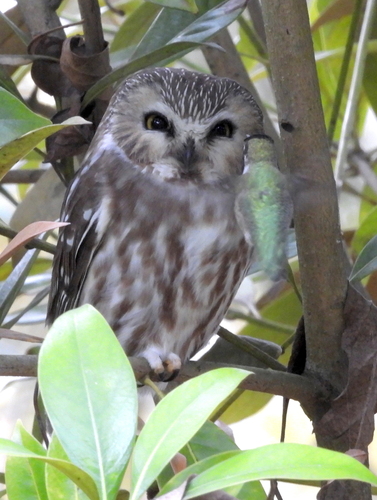
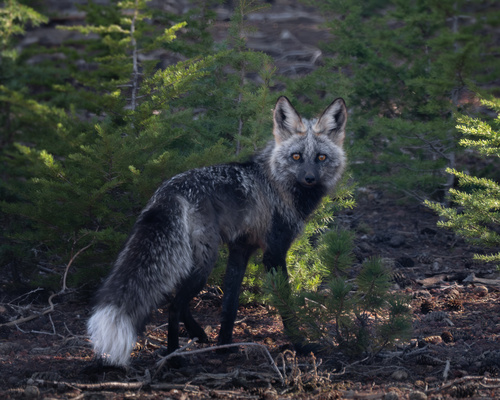
Choose a city
Every city has its own wild.
City
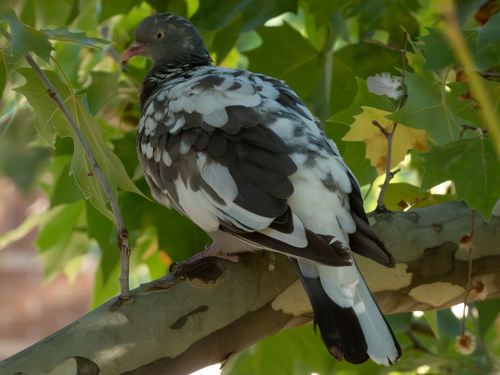
London
A capital built on marshes, chalk streams and ancient hunting forests. London records more wildlife than almost any city its size — and most of it is a short walk or a single Tube ride away.
36 species · best in Apr & May
City
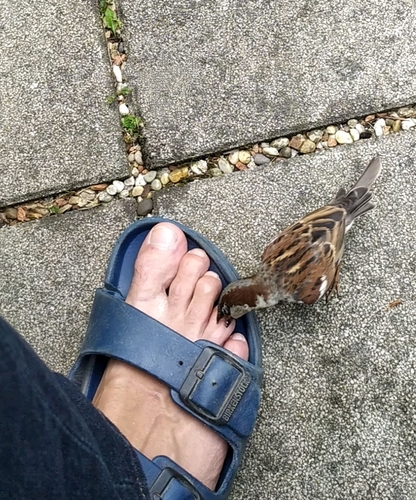
New York City
From the salt marshes of Jamaica Bay to the old-growth woods of Inwood Hill, New York is a city of islands, estuaries and unexpected forest — one of the great migration crossroads of North America.
34 species · best in May & Apr
City
San Francisco
Fog, coastal scrub and a peninsula between two bays. San Francisco packs migration corridors, remnant dune habitat and dense urban gardens into seven square miles.
36 species · best in Apr & Sep
City
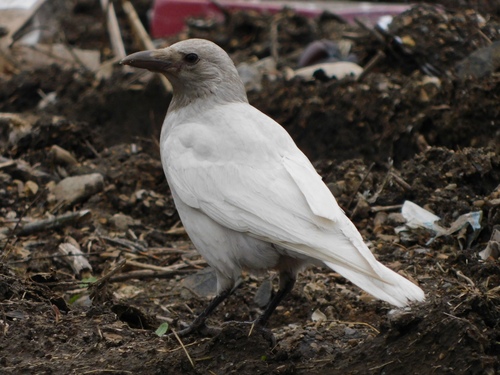
Berlin
A low, green city stitched together by lakes, pine woods and abandoned rail land. Berlin holds more forest inside its boundary than most capitals hold park — and the Spree connects it all.
36 species · best in Apr & May
City
Paris
A dense stone city with two great woods on its edges and a river running through the middle. Paris rewards anyone who looks closely: falcons on towers, herons on the Seine, wildflowers in every crack.
36 species · best in Apr & May
City
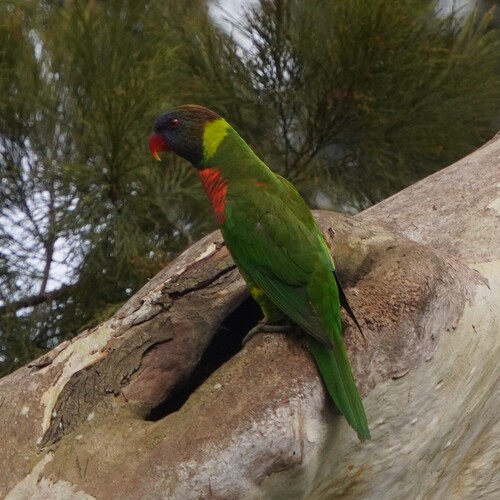
Sydney
A harbour city where sandstone headlands, eucalypt forest and subtropical wetlands meet salt water. Sydney’s seasons run the opposite way to the northern hemisphere — spring arrives in September.
36 species · best in Oct & Sep
How it works
Pick a city. Check the month. Go outside.
01
Choose where you are
Each guide covers a single city, so the species list reflects what actually lives around you — not a continent-sized field guide.
02
See what’s active in November
Every species carries a month-by-month activity curve built from real observation records. No guesswork about timing.
03
Go and look
Each entry points to the parks and habitats where the species is most often recorded, plus what to look for.
Open data, real observations
Built on 9,605,822 records from people who looked.
Occurrence data comes from GBIF, the global biodiversity database. Photos and species summaries come from iNaturalist contributors. Every image carries the licence and credit of the person who made it.