New York City · Salt marsh, mudflat, open water
Jamaica Bay Wildlife Refuge
A 9,000-acre estuary within the city limits — the best shorebird and waterbird habitat in New York, and a stopover for migrating horseshoe crabs.
- Species
- 12
- Latitude
- 40.6150
- Longitude
- -73.8330
Map data © OpenStreetMap contributors.
Recorded here
What people have seen nearby
Based on recent public observations within roughly 1–3 km. Use it as a starting point, not a checklist.
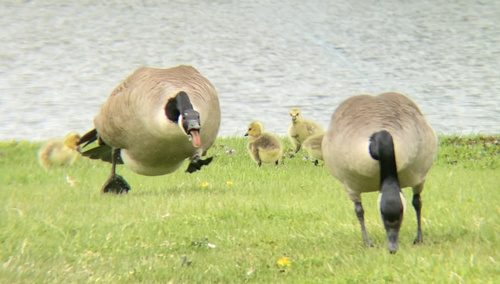 Birds
Canada Goose
Branta canadensis
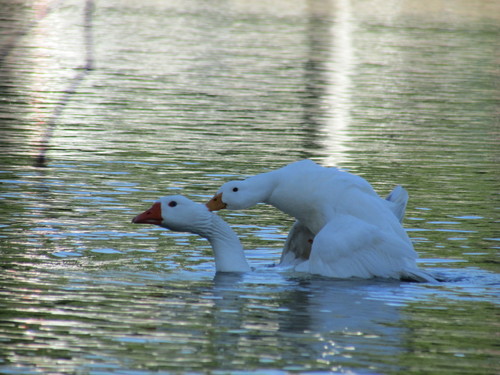 Birds
Mallard
Anas platyrhynchos
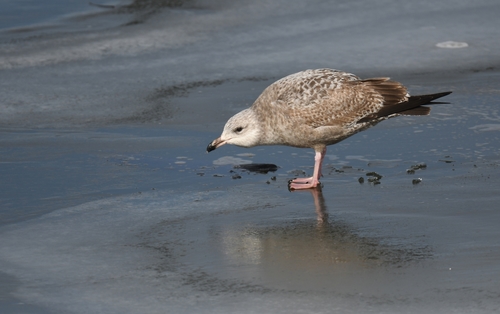 Birds
American Herring Gull
Larus smithsonianus
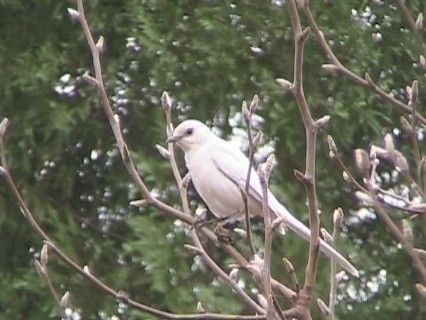 Birds
Northern Mockingbird
Mimus polyglottos
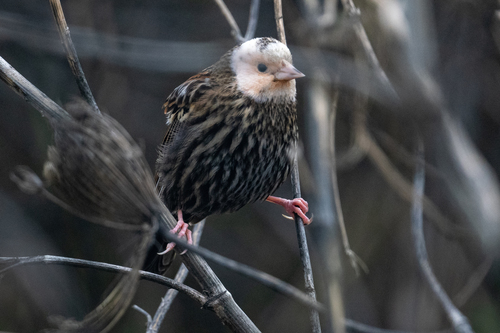 Birds
Red-winged Blackbird
Agelaius phoeniceus
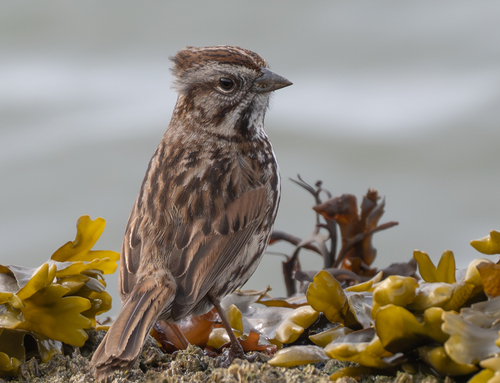 Birds
Song Sparrow
Melospiza melodia
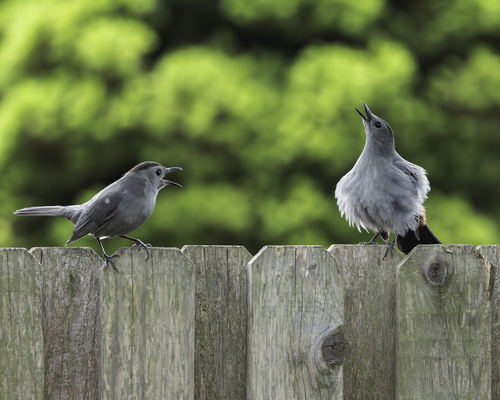 Birds
Gray Catbird
Dumetella carolinensis
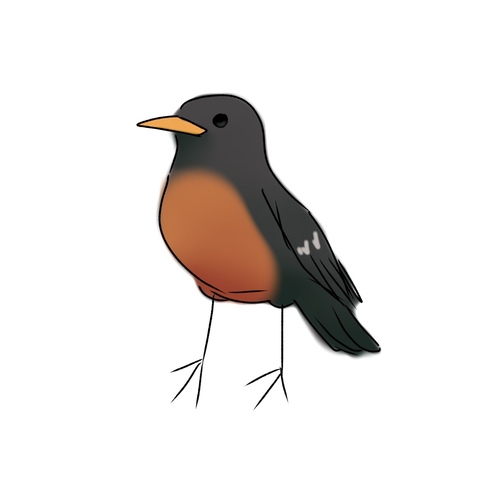 Birds
American Robin
Turdus migratorius
 Birds
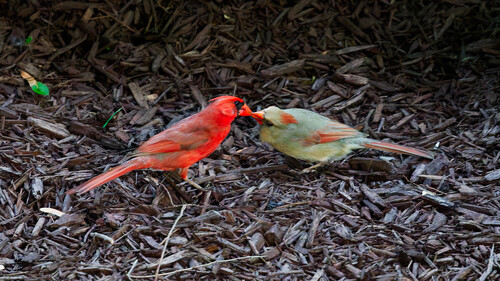
Northern Cardinal
Cardinalis cardinalis
 Birds
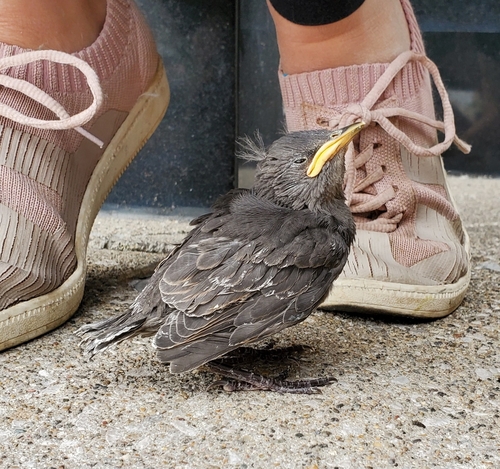
European Starling
Sturnus vulgaris
 Birds
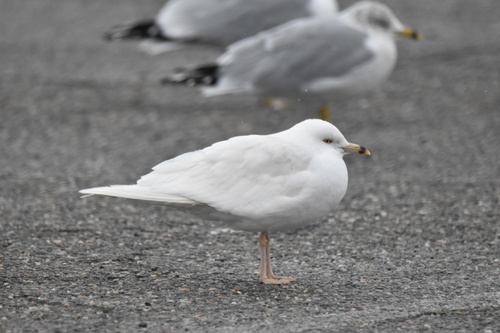
Ring-billed Gull
Larus delawarensis
 Birds
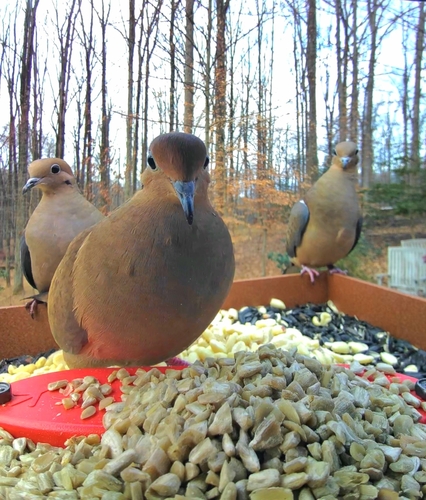
Mourning Dove
Zenaida macroura
Other places in New York City
All parksWoodland, meadows, lakes
Central Park
The most famous urban park in the world is also a serious migration trap: the Ramble and the Pond concentrate warblers every spring.
Woodland, lake, meadow
Prospect Park
Brooklyn’s 526-acre answer to Central Park, with a wilder woodland edge and a lake that pulls in herons, grebes and waterfowl.
Old-growth forest, caves, shoreline
Inwood Hill Park
Manhattan’s last remnant of old-growth forest, perched on schist above the Hudson and the Harlem River ship canal.