Superb Fairywren
Malurus cyaneus
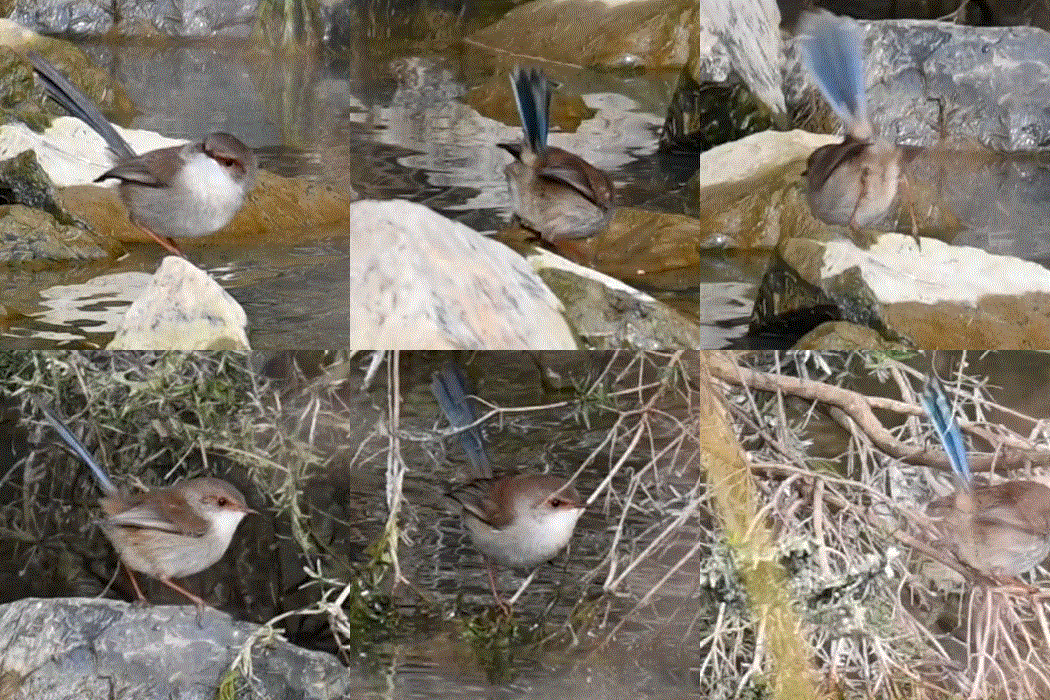
The superb fairywren (Malurus cyaneus) is a passerine bird in the Australasian wren family, Maluridae, and is common and familiar across south-eastern Australia. The species is sedentary and territorial, also exhibiting a high degree of sexual dimorphism; the male in breeding plumage has a striking bright blue forehead, ear coverts, mantle, and tail, with a black mask and black or dark blue throat. Non-breeding males, females and juveniles are predominantly grey-brown in colour; this gave the...
- Family
- Maluridae
- Order
- Passeriformes
- Status
- Native in New South Wales
- Records
- 30,707
- Peak
- Oct · Sep · Nov
Seasonality
When it shows up
November: good chance
Where to look
Places with recent records
Eucalypt forest, river, sandstone
Lane Cove National Park
A river valley of eucalypt forest and sandstone ledges ten kilometres from the city centre — parrots, lyrebirds and quiet bush tracks.
Wetland, mangrove, parkland
Bicentennial Park
Part of Sydney Olympic Park, with boardwalks through mangrove and reedbed — a reliable place for spoonbills, egrets and crakes.
Coastal heath, cliffs, seagrass
Kamay Botany Bay National Park
Sandstone cliffs and windswept heath at the mouth of Botany Bay, with seabirds, raptors and spring wildflower displays.
Easy to confuse with
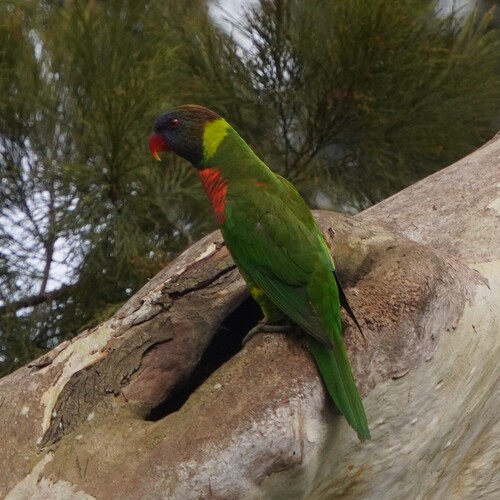
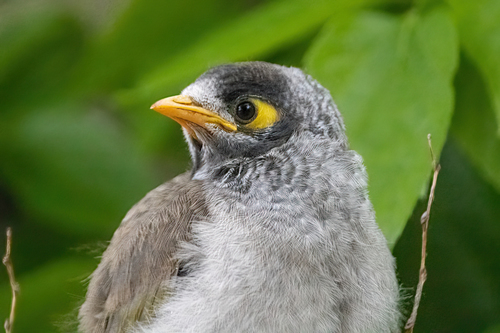
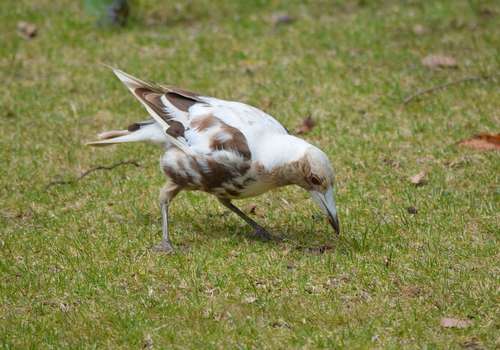
Similar species in Sydney
Questions
Superb Fairywren in Sydney
- Where can I see Superb Fairywren in Sydney?
- Superb Fairywren has recent records at Lane Cove National Park, Bicentennial Park, Kamay Botany Bay National Park. Check each park page for habitat notes and access.
- When is the best time to see Superb Fairywren in Sydney?
- Records peak in October, September, November. In November, activity is rated “good chance”.
Sources
Occurrence counts and seasonality are derived from GBIF records (2018–2026). Description adapted from Wikipedia via iNaturalist, licensed CC BY-SA. Photo credits appear under each image. Native or introduced status comes from iNaturalist regional checklists. Species pages are for observation only — never disturb wildlife.