Magpie-lark
Grallina cyanoleuca
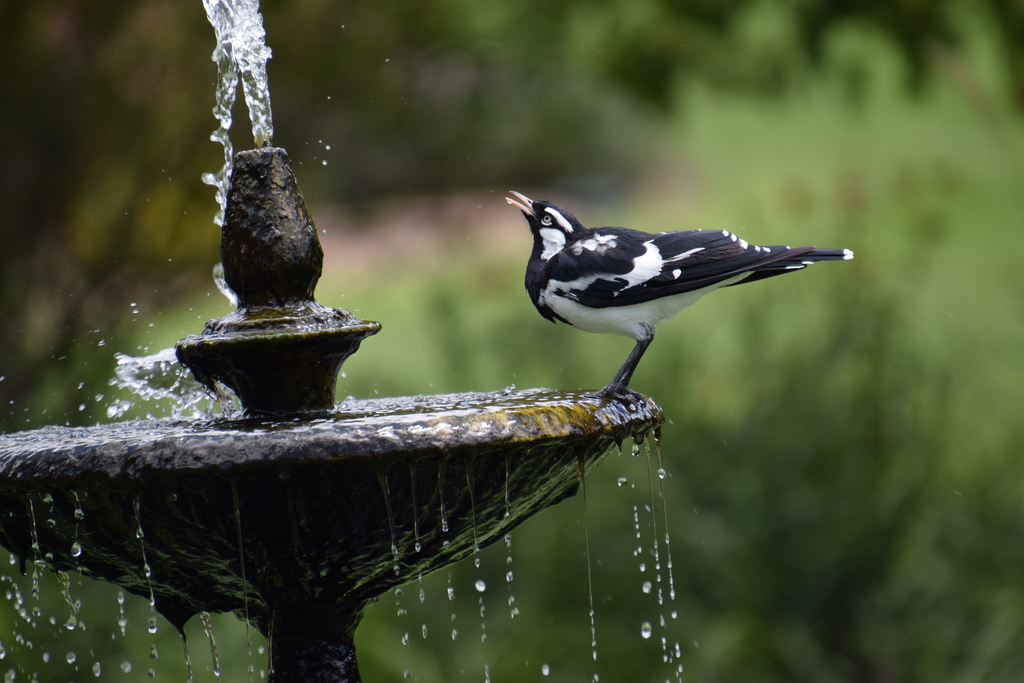
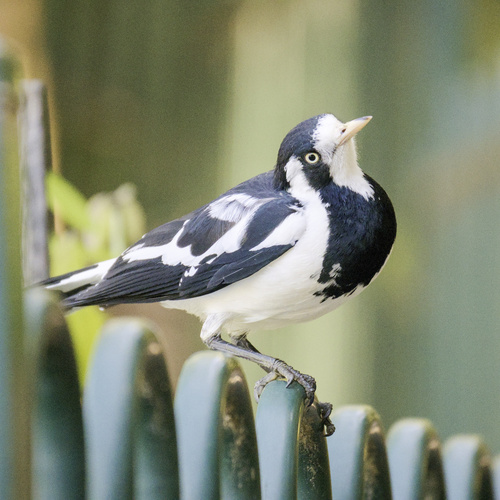
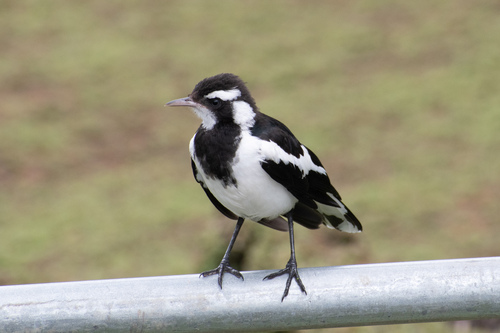
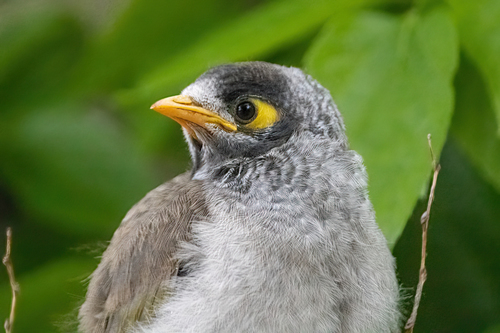
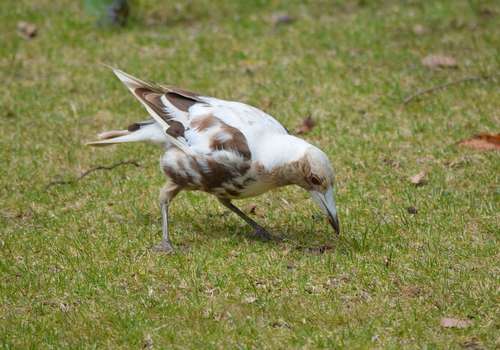
The magpie-lark (Grallina cyanoleuca), also known as the peewee , peewit or mudlark , is a passerine bird native to Australia, Timor and southern New Guinea. The male and female both have black and white plumage, though with different patterns. John Latham described the species in 1801. Long thought to be a member of the mudnest builder family Corcoracidae, it has been reclassified in the family Monarchidae (the monarch flycatchers). Two subspecies are recognized.
- Family
- Monarchidae
- Order
- Passeriformes
- Status
- Native in New South Wales
- Records
- 29,946
- Peak
- Oct · Sep · Jan
Seasonality
When it shows up
November: good chance
Where to look
Places with recent records
Lakes, avenues, grassland, paperbark swamp
Centennial Park
Grand avenues, chains of ponds and open grass in the eastern suburbs — eels, turtles, herons and a famous flying-fox camp nearby.
Wetlands, grassland, former quarry
Sydney Park
A reclaimed quarry and brickworks turned into wetlands and grassland, now one of the inner city’s best waterbird sites.
Wetland, mangrove, parkland
Bicentennial Park
Part of Sydney Olympic Park, with boardwalks through mangrove and reedbed — a reliable place for spoonbills, egrets and crakes.
Easy to confuse with
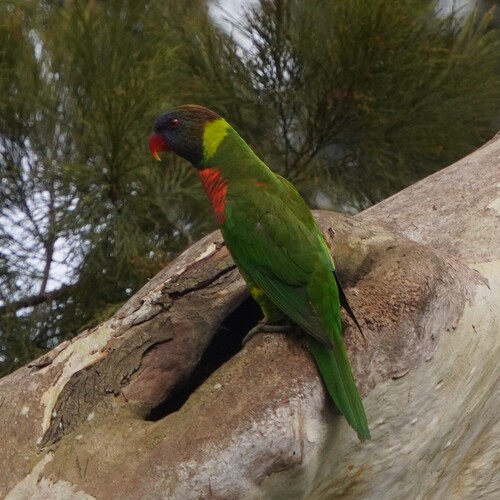
Similar species in Sydney
Questions
Magpie-lark in Sydney
- Where can I see Magpie-lark in Sydney?
- Magpie-lark has recent records at Centennial Park, Sydney Park, Bicentennial Park. Check each park page for habitat notes and access.
- When is the best time to see Magpie-lark in Sydney?
- Records peak in October, September, January. In November, activity is rated “good chance”.
Sources
Occurrence counts and seasonality are derived from GBIF records (2018–2026). Description adapted from Wikipedia via iNaturalist, licensed CC BY-SA. Photo credits appear under each image. Native or introduced status comes from iNaturalist regional checklists. Species pages are for observation only — never disturb wildlife.