Dusky Moorhen
Gallinula tenebrosa
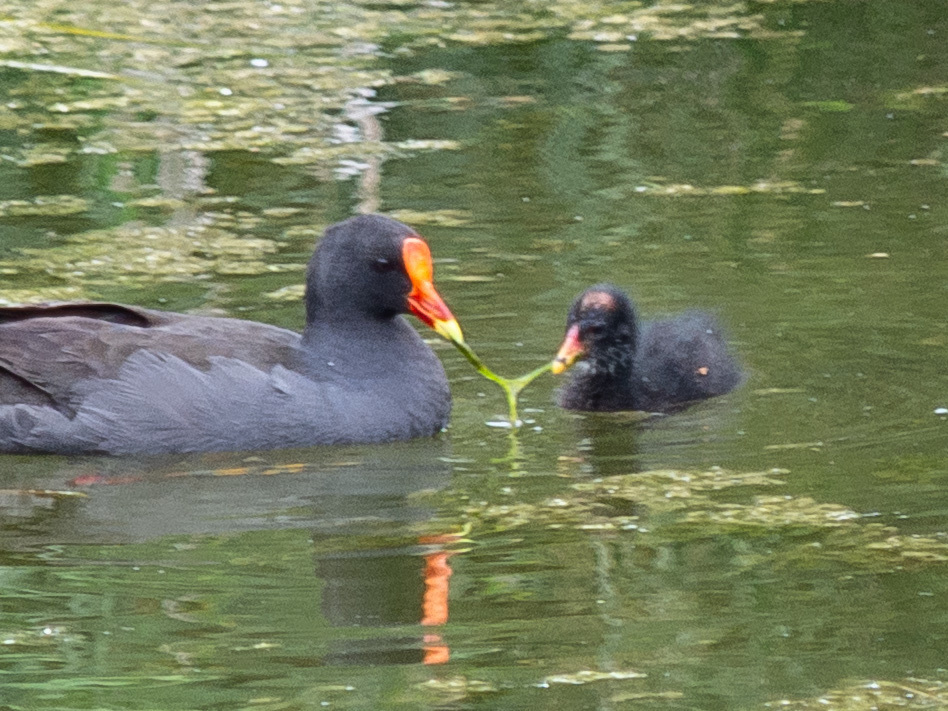
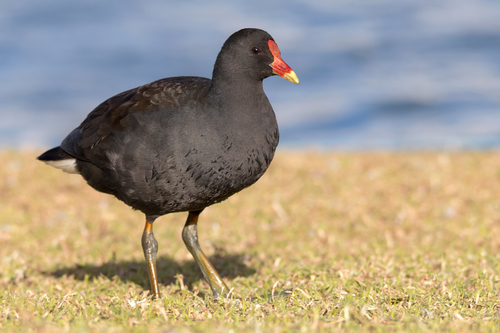
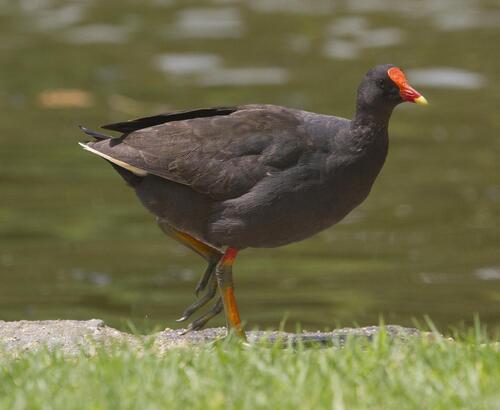
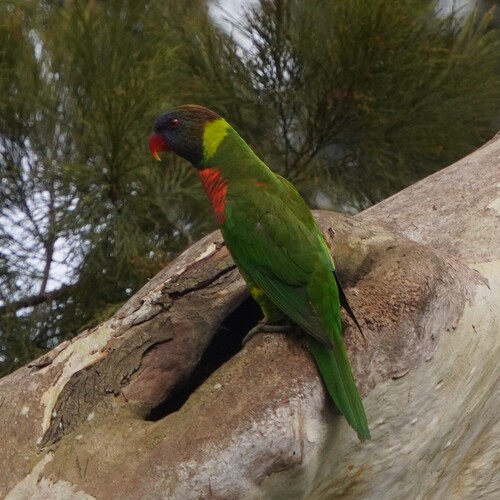
The dusky moorhen (Gallinula tenebrosa) is a bird species in the rail family and is one of the eight extant species in the moorhen genus. It occurs in India, Australia, New Guinea, Borneo and Indonesia. It is often confused with the purple swamphen and the Eurasian coot due to similar appearance and overlapping distributions. They often live alongside birds in the same genus, such as the Tasmanian nativehen and the common moorhen.
- Family
- Rallidae
- Order
- Gruiformes
- Status
- Native in New South Wales
- Records
- 26,923
- Peak
- Oct · Sep · Jan
Seasonality
When it shows up
November: peak season
Where to look
Places with recent records
Harbourside gardens, rainforest gully, lawns
Royal Botanic Garden
The harbour-edge garden beside the Opera House — ibis, cockatoos, water dragons and a steady stream of nectar-feeding birds.
Lakes, avenues, grassland, paperbark swamp
Centennial Park
Grand avenues, chains of ponds and open grass in the eastern suburbs — eels, turtles, herons and a famous flying-fox camp nearby.
Wetlands, grassland, former quarry
Sydney Park
A reclaimed quarry and brickworks turned into wetlands and grassland, now one of the inner city’s best waterbird sites.
Wetland, mangrove, parkland
Bicentennial Park
Part of Sydney Olympic Park, with boardwalks through mangrove and reedbed — a reliable place for spoonbills, egrets and crakes.
Easy to confuse with
Similar species in Sydney
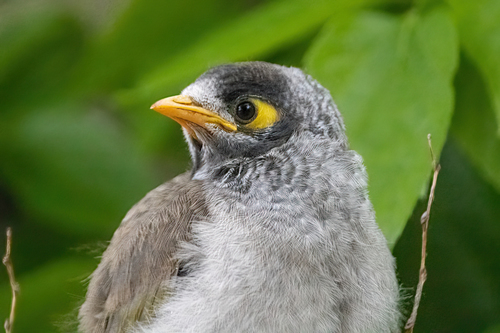
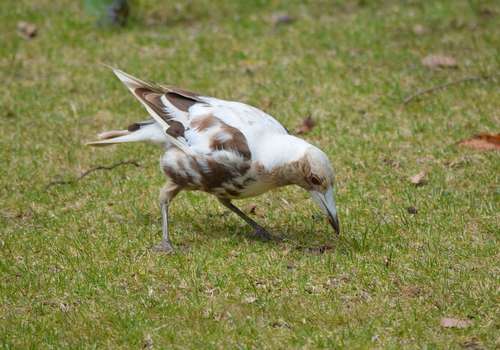
Questions
Dusky Moorhen in Sydney
- Where can I see Dusky Moorhen in Sydney?
- Dusky Moorhen has recent records at Royal Botanic Garden, Centennial Park, Sydney Park. Check each park page for habitat notes and access.
- When is the best time to see Dusky Moorhen in Sydney?
- Records peak in October, September, January. In November, activity is rated “peak season”.
Sources
Occurrence counts and seasonality are derived from GBIF records (2018–2026). Description adapted from Wikipedia via iNaturalist, licensed CC BY-SA. Photo credits appear under each image. Native or introduced status comes from iNaturalist regional checklists. Species pages are for observation only — never disturb wildlife.