Western Honey Bee
Apis mellifera
Fuzzy golden-brown thorax with dark bands on the abdomen; hind legs carry pollen baskets.
- Family
- Apidae
- Order
- Hymenoptera
- Size
- 12–15 mm (workers)
- Status
- Introduced in Australia
- Records
- 1,603
- Peak
- Mar · Sep · Apr
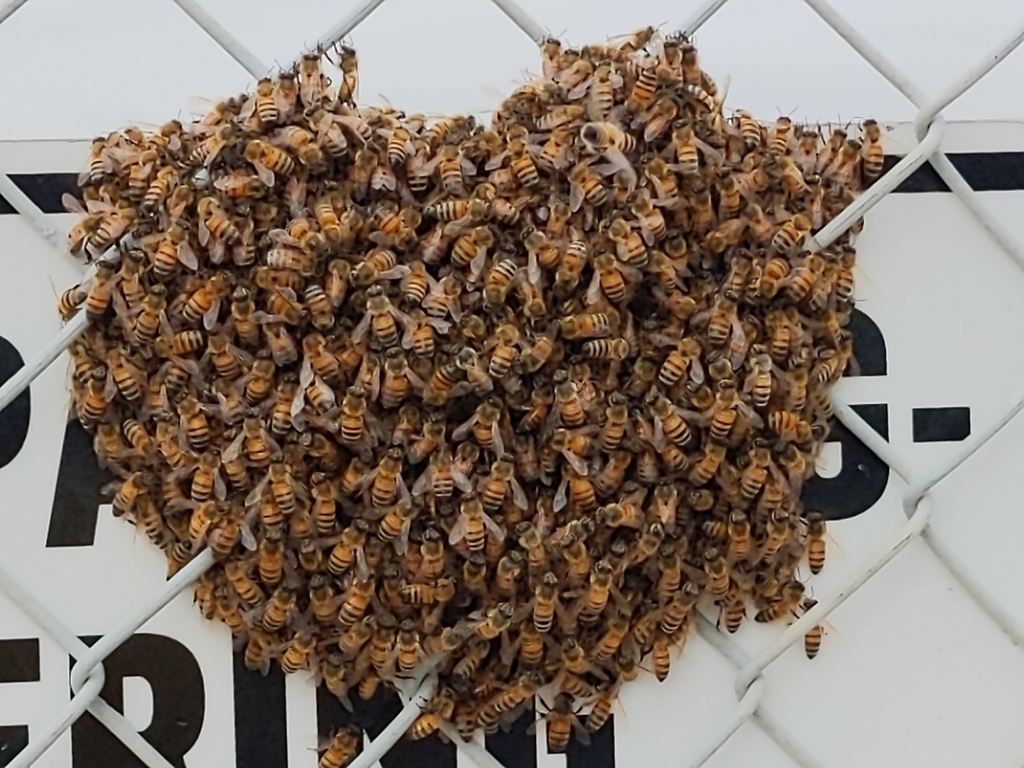
How to recognise
What you are looking at
Fuzzy golden-brown thorax with dark bands on the abdomen; hind legs carry pollen baskets.
Typical size: 12–15 mm (workers)
Habitat & behaviour
Where it lives
Gardens, parks, meadows and anywhere with flowers; colonies live in hives, cavities and hollow trees.
How it behaves
Eusocial; workers communicate food sources through the waggle dance and swarm in spring.
Diet & timing
What it eats
Nectar and pollen.
When to look
Warm, sunny days above 12–14 °C.
Field tip
Honey bees move deliberately between flowers; wasps fly faster and hover with dangling legs.
Seasonality
When it shows up
November: peak season
Where to look
Places with recent records
This species is recorded across Sydney, but not consistently inside the parks we track. Try the nearest green space with similar habitat.
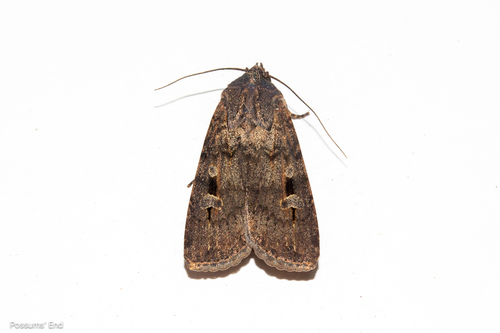
Easy to confuse with
Similar species in Sydney

Also recorded in
The same species elsewhere
Questions
Western Honey Bee in Sydney
- Where can I see Western Honey Bee in Sydney?
- Western Honey Bee is recorded across Sydney, but not consistently inside the parks tracked here. Try a green space with similar habitat.
- When is the best time to see Western Honey Bee in Sydney?
- Records peak in March, September, April. In November, activity is rated “peak season”.
Sources
Occurrence counts and seasonality are derived from GBIF records (2018–2026). Description adapted from Wikipedia via iNaturalist, licensed CC BY-SA. Photo credits appear under each image. Native or introduced status comes from iNaturalist regional checklists. Species pages are for observation only — never disturb wildlife.