Eurasian Magpie
Pica pica
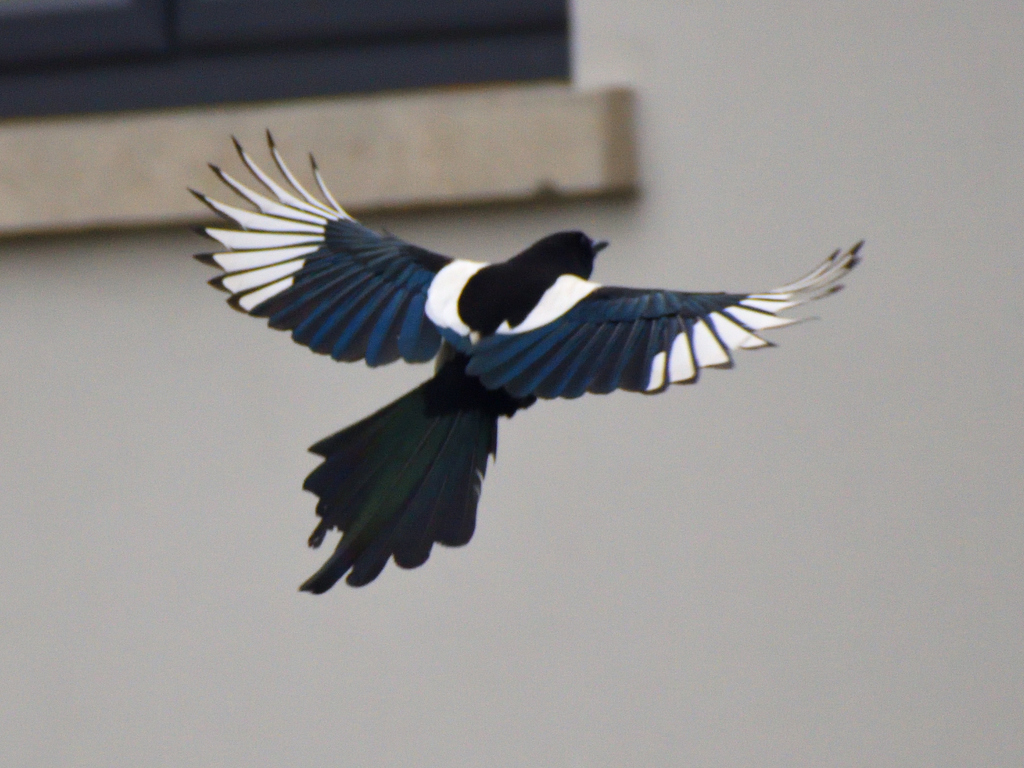
The Eurasian magpie or common magpie (Pica pica) is a resident breeding bird throughout the northern part of the Eurasian continent. It is one of several birds in the crow family designated magpies, and belongs to the Holarctic radiation of "monochrome" magpies. In Europe, "magpie" is used by English speakers as a synonym for the European magpie: the only other magpie in Europe is the Iberian magpie (Cyanopica cooki), which is limited to the Iberian Peninsula.
- Family
- Corvidae
- Order
- Passeriformes
- Status
- Native in France
- Records
- 12,283
- Peak
- Apr · May · Mar
Seasonality
When it shows up
November: good chance
Where to look
Places with recent records
Formal garden, orchard, lawn
Jardin du Luxembourg
Chestnut avenues, an orchard and a central basin — one of the easiest places in Paris to watch woodpeckers and tits at work.
Woodland, lakes, lawns
Bois de Boulogne
The old hunting forest west of the city: broad rides, lakes and thickets that hold breeding woodpeckers and wintering waterbirds.
Woodland, lake, meadow
Bois de Vincennes
The eastern counterpart to Boulogne, with a lake, a flower park and long woodland edges that are rich in insects.
Rocky parkland, cliffs, lake
Parc des Buttes-Chaumont
A dramatic park built on old quarries, with cliffs, a lake and a suspended bridge — urban wildlife with real topography.
Canal-side park, meadows, planted gardens
Parc de la Villette
A modern park along the Canal de l’Ourcq, with rough grass, willow scrub and a good mix of waterside and open-country species.
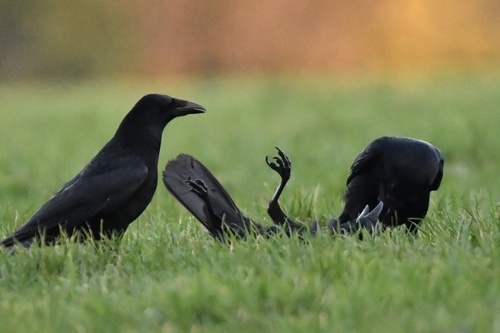
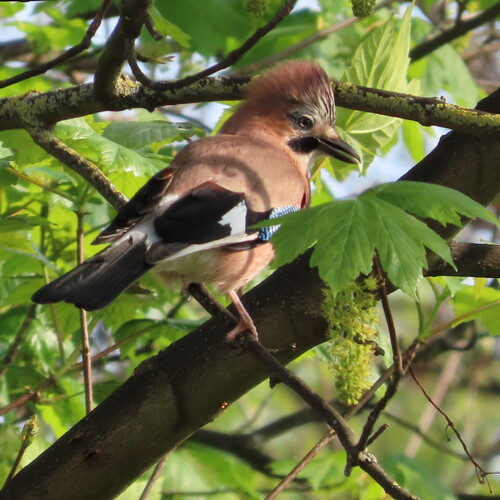
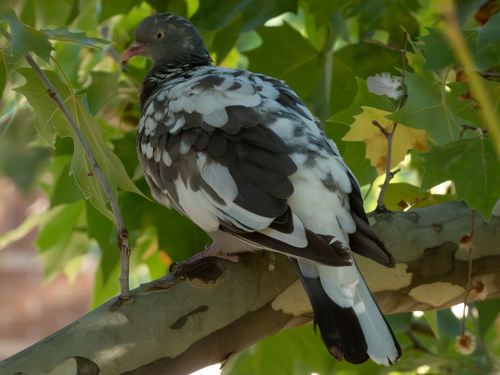
Easy to confuse with
Similar species in Paris
Also recorded in
The same species elsewhere
Questions
Eurasian Magpie in Paris
- Where can I see Eurasian Magpie in Paris?
- Eurasian Magpie has recent records at Jardin du Luxembourg, Bois de Boulogne, Bois de Vincennes. Check each park page for habitat notes and access.
- When is the best time to see Eurasian Magpie in Paris?
- Records peak in April, May, March. In November, activity is rated “good chance”.
Sources
Occurrence counts and seasonality are derived from GBIF records (2018–2026). Description adapted from Wikipedia via iNaturalist, licensed CC BY-SA. Photo credits appear under each image. Native or introduced status comes from iNaturalist regional checklists. Species pages are for observation only — never disturb wildlife.