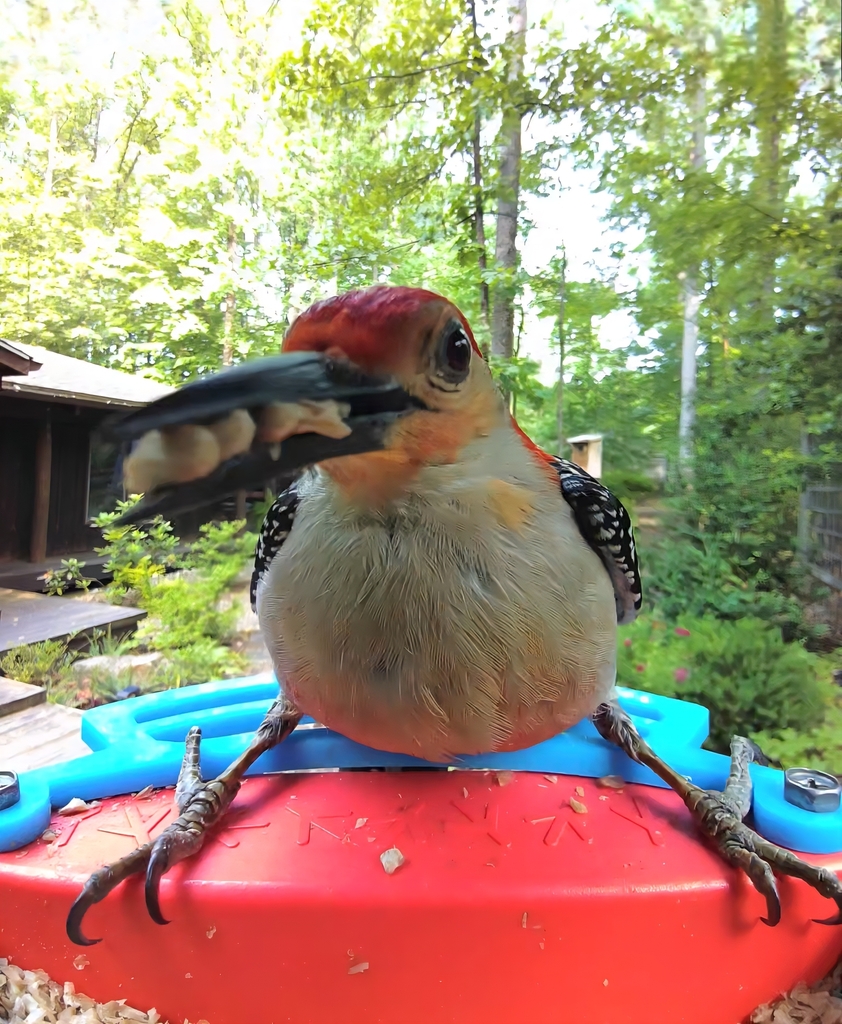
Red-bellied Woodpecker
Melanerpes carolinus
The red-bellied woodpecker (Melanerpes carolinus) is a medium-sized woodpecker of the family Picidae. It breeds mainly in the eastern United States, ranging as far south as Texas and as far north as Canada. Its common name is somewhat misleading, as the most prominent red part of its plumage is on the head; the red-headed woodpecker, however, is another species that is a rather close relative but looks quite different.
- Family
- Picidae
- Order
- Piciformes
- Status
- Native in New York
- Records
- 181,033
- Peak
- May · Apr · Oct
Seasonality
When it shows up
November: good chance
Where to look
Places with recent records
Woodland, meadows, lakes
Central Park
The most famous urban park in the world is also a serious migration trap: the Ramble and the Pond concentrate warblers every spring.
Woodland, lake, meadow
Prospect Park
Brooklyn’s 526-acre answer to Central Park, with a wilder woodland edge and a lake that pulls in herons, grebes and waterfowl.
Old-growth forest, caves, shoreline
Inwood Hill Park
Manhattan’s last remnant of old-growth forest, perched on schist above the Hudson and the Harlem River ship canal.
Forest, salt marsh, beach
Pelham Bay Park
The largest park in the city: oak forest, Orchard Beach, and a lagoon system that fills with wading birds in summer.
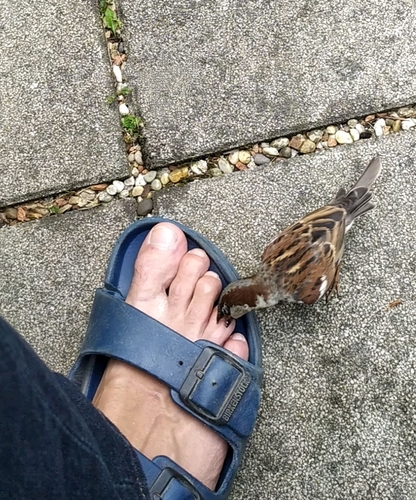
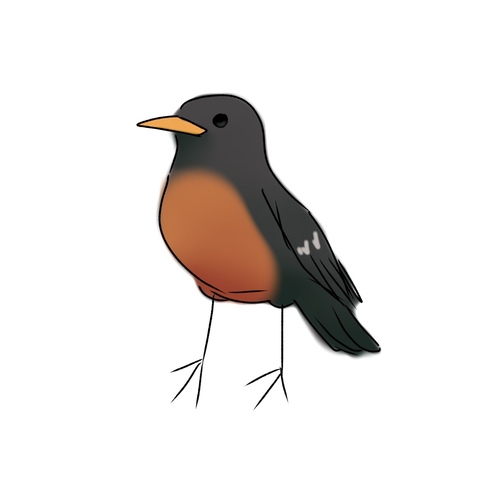
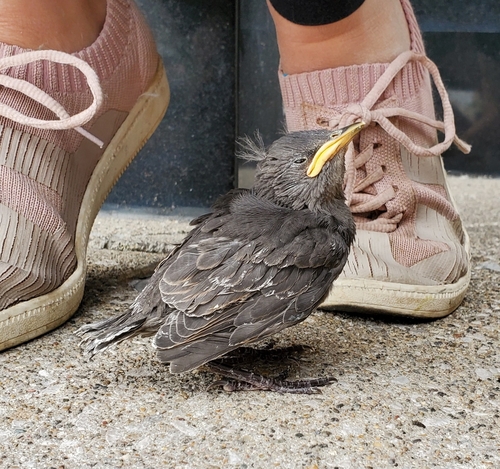
Easy to confuse with
Similar species in New York City
Questions
Red-bellied Woodpecker in New York City
- Where can I see Red-bellied Woodpecker in New York City?
- Red-bellied Woodpecker has recent records at Central Park, Prospect Park, Inwood Hill Park. Check each park page for habitat notes and access.
- When is the best time to see Red-bellied Woodpecker in New York City?
- Records peak in May, April, October. In November, activity is rated “good chance”.
Sources
Occurrence counts and seasonality are derived from GBIF records (2018–2026). Description adapted from Wikipedia via iNaturalist, licensed CC BY-SA. Photo credits appear under each image. Native or introduced status comes from iNaturalist regional checklists. Species pages are for observation only — never disturb wildlife.