Mallard
Anas platyrhynchos
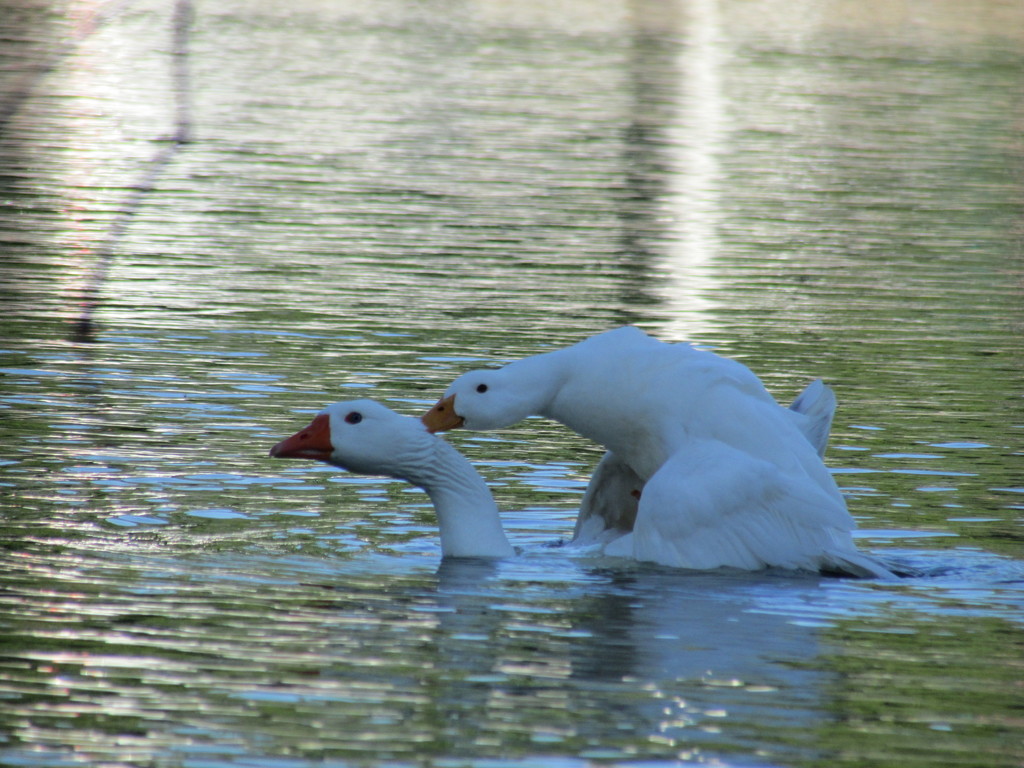
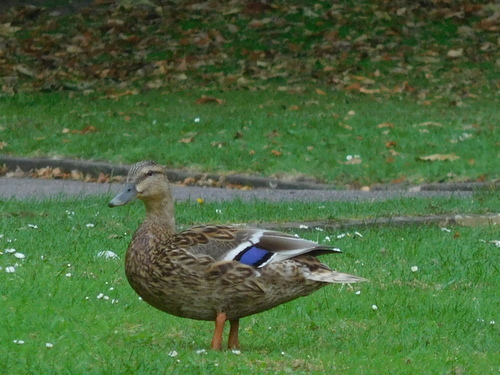
The mallard (/ˈmælɑːrd/ or /ˈmælərd/) (Anas platyrhynchos) is a dabbling duck that breeds throughout the temperate and subtropical Americas, Eurasia, and North Africa and has been introduced to New Zealand, Australia, Peru, Brazil, Uruguay, Argentina, Chile, the Falkland Islands, and South Africa. This duck belongs to the subfamily Anatinae of the waterfowl family Anatidae. The male birds (drakes) have a glossy green head and are grey on wings and belly while the females (hens or ducks)...
- Family
- Anatidae
- Order
- Anseriformes
- Records
- 96,742
- Peak
- Apr · May · Mar
Seasonality
When it shows up
November: good chance
Where to look
Places with recent records
Ancient woodland, acid grassland, deer
Richmond Park
The largest of London’s royal parks: 2,500 acres of open grassland, veteran oaks and free-roaming red and fallow deer.
Woodland, ponds, rough grass
Hampstead Heath
A wild-feeling ridge of woods, ponds and meadows ten minutes from Zone 1, with one of the city’s richest bird lists.
Lake, lawns, ancient trees
Hyde Park
The Serpentine and its margins are the classic introduction to London’s waterfowl, herons and winter gulls.
Reservoirs, reedbed, scrub
Walthamstow Wetlands
Europe’s largest urban wetland nature reserve — a working reservoir estate that doubles as a migration hotspot.
Botanical collections, lake, woodland
Kew Gardens
A living collection of more than 27,000 plant taxa, with mature trees, a lake and long-established woodland edges.
Lake, lawns, waterfowl
St James’s Park
The oldest of London’s royal parks, and the easiest place to meet pelicans, herons and a very confiding waterfowl flock.
Easy to confuse with
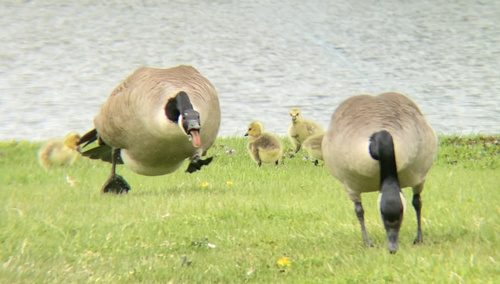
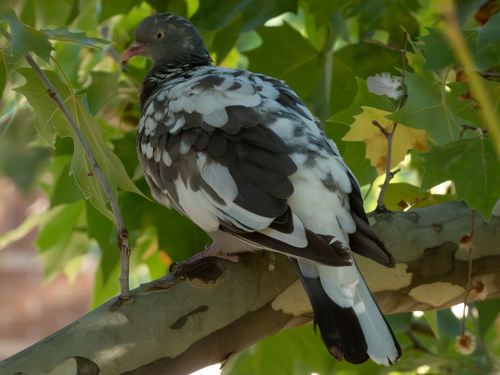
Similar species in London
Also recorded in
The same species elsewhere
Questions
Mallard in London
- Where can I see Mallard in London?
- Mallard has recent records at Richmond Park, Hampstead Heath, Hyde Park. Check each park page for habitat notes and access.
- When is the best time to see Mallard in London?
- Records peak in April, May, March. In November, activity is rated “good chance”.
Sources
Occurrence counts and seasonality are derived from GBIF records (2018–2026). Description adapted from Wikipedia via iNaturalist, licensed CC BY-SA. Photo credits appear under each image. Native or introduced status comes from iNaturalist regional checklists. Species pages are for observation only — never disturb wildlife.