Eurasian Nuthatch
Sitta europaea
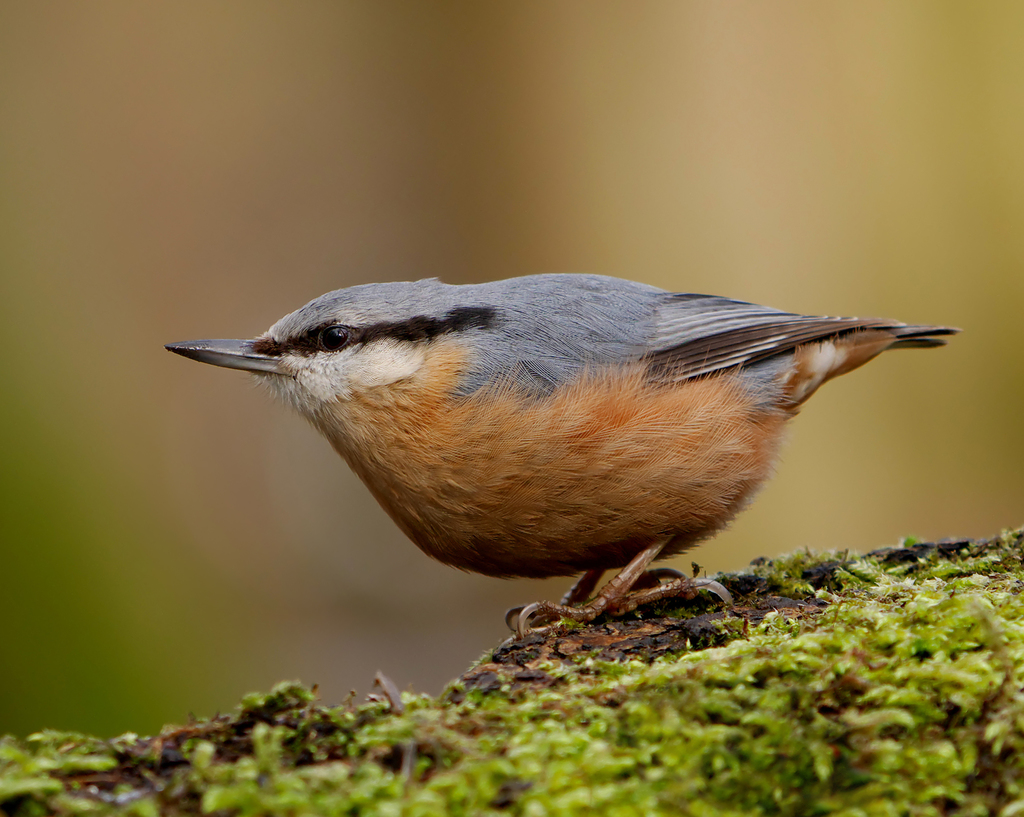
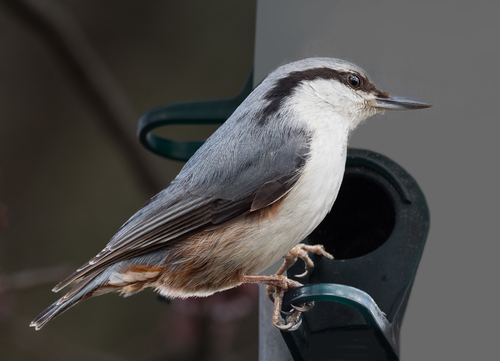
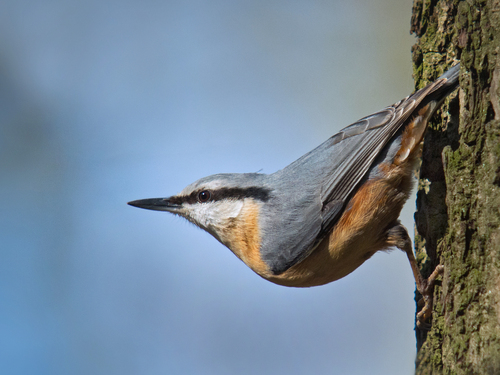
The Eurasian nuthatch or wood nuthatch (Sitta europaea) is a small passerine bird found throughout temperate Asia and in Europe, where its name is the nuthatch . Like other nuthatches, it is a short-tailed bird with a long bill, blue-grey upperparts and a black eye-stripe. It is a vocal bird with a repeated loud dwip call. There are more than 20 subspecies in three main groups; birds in the west of the range have orange-buff underparts and...
- Family
- Sittidae
- Order
- Passeriformes
- Status
- Native in Germany
- Records
- 7,551
- Peak
- Mar · Jan · Apr
Seasonality
When it shows up
November: good chance
Where to look
Places with recent records
Parkland, lake, mature woodland
Tiergarten
The great central park of Berlin: broad avenues, a lake and dense old trees, with herons, woodpeckers and wintering goosander.
Pine forest, lakes, heath
Grunewald
Berlin’s largest forest, with sandy paths, quiet lakes and a breeding population of middle spotted woodpeckers.
Riverbank, mature trees, lawns
Treptower Park
A Spree-side park with old plane trees and a riverside promenade — easy access to waterfowl, grebes and riverside warblers.
Island woodland, meadows, historic park
Pfaueninsel
A small island in the Havel with ancient oaks, free-roaming peacocks and a remarkably quiet bird list.
Lake, reedbed, forest edge
Müggelsee
Berlin’s largest lake, fringed by reedbeds and forest — a strong spot for grebes, terns and autumn migration.
Easy to confuse with
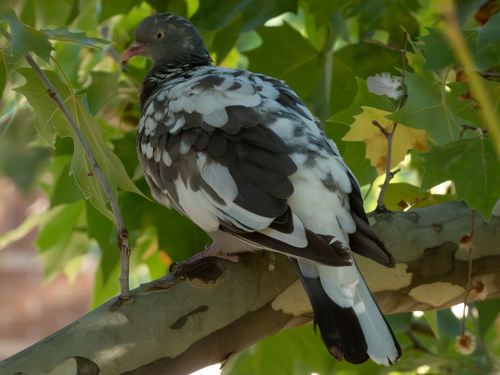
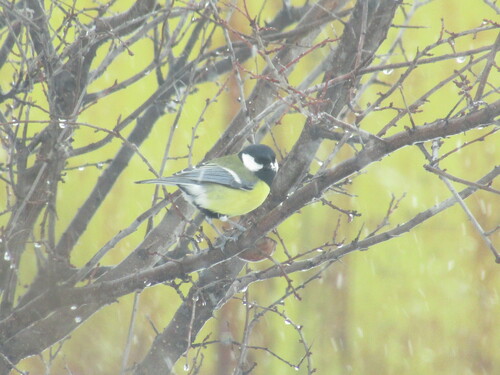
Similar species in Berlin
Questions
Eurasian Nuthatch in Berlin
- Where can I see Eurasian Nuthatch in Berlin?
- Eurasian Nuthatch has recent records at Tiergarten, Grunewald, Treptower Park. Check each park page for habitat notes and access.
- When is the best time to see Eurasian Nuthatch in Berlin?
- Records peak in March, January, April. In November, activity is rated “good chance”.
Sources
Occurrence counts and seasonality are derived from GBIF records (2018–2026). Description adapted from Wikipedia via iNaturalist, licensed CC BY-SA. Photo credits appear under each image. Native or introduced status comes from iNaturalist regional checklists. Species pages are for observation only — never disturb wildlife.